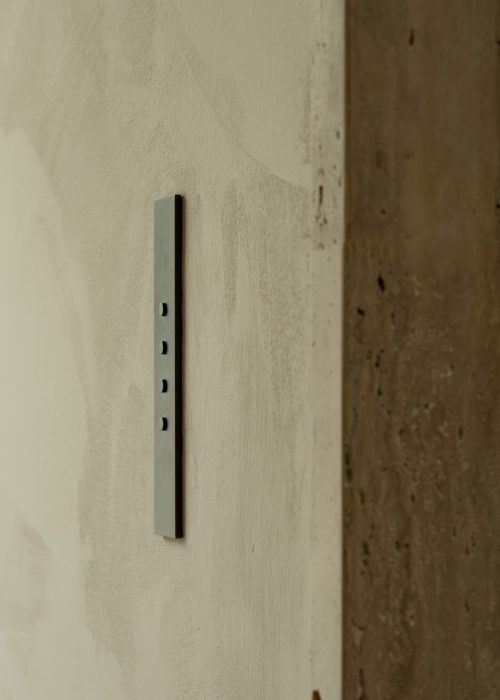
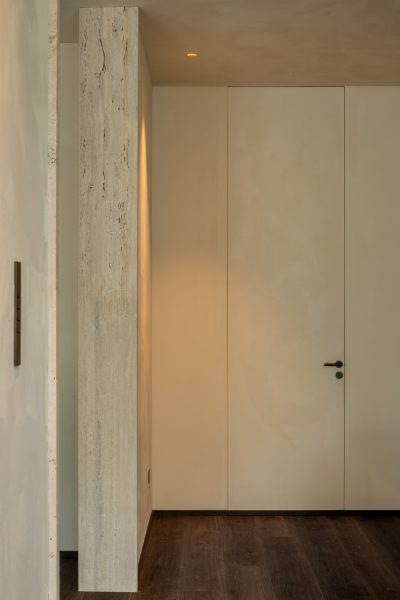
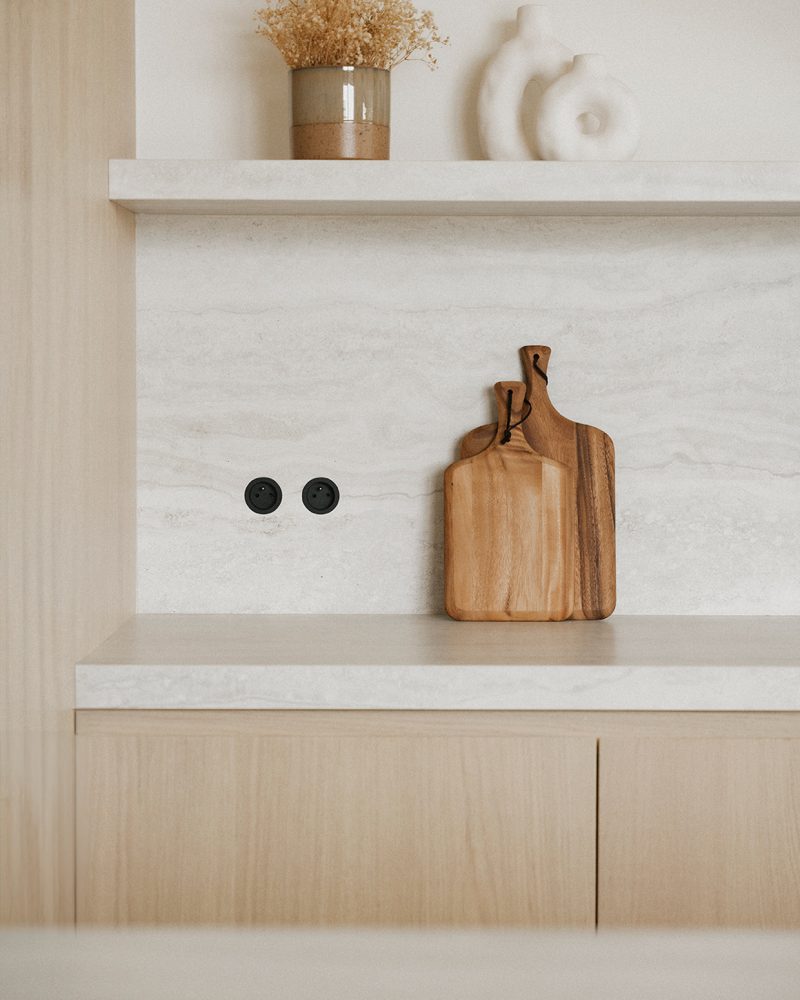
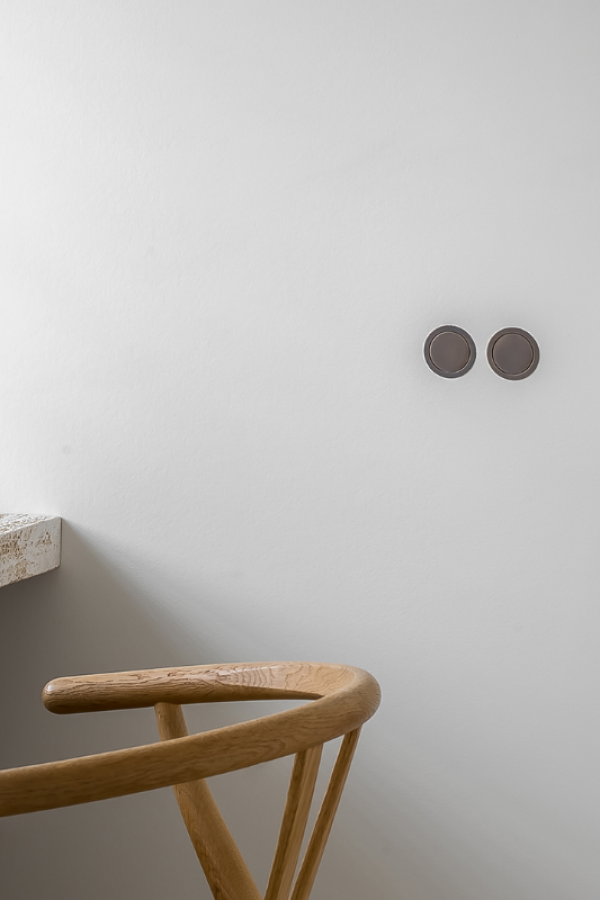
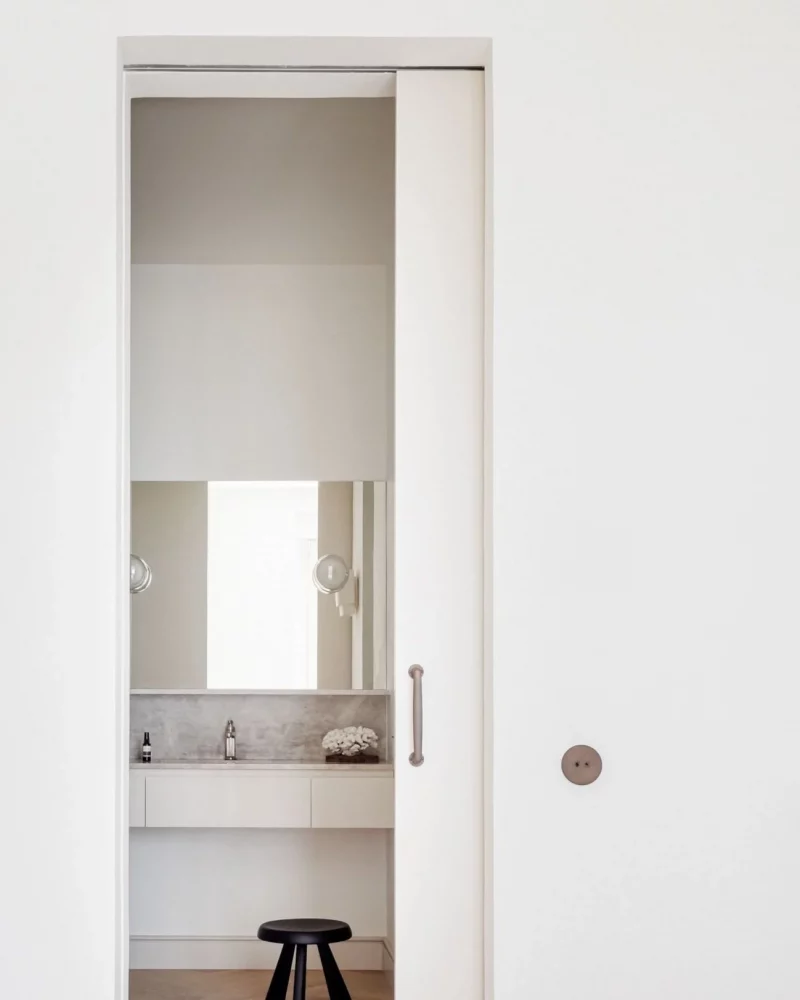
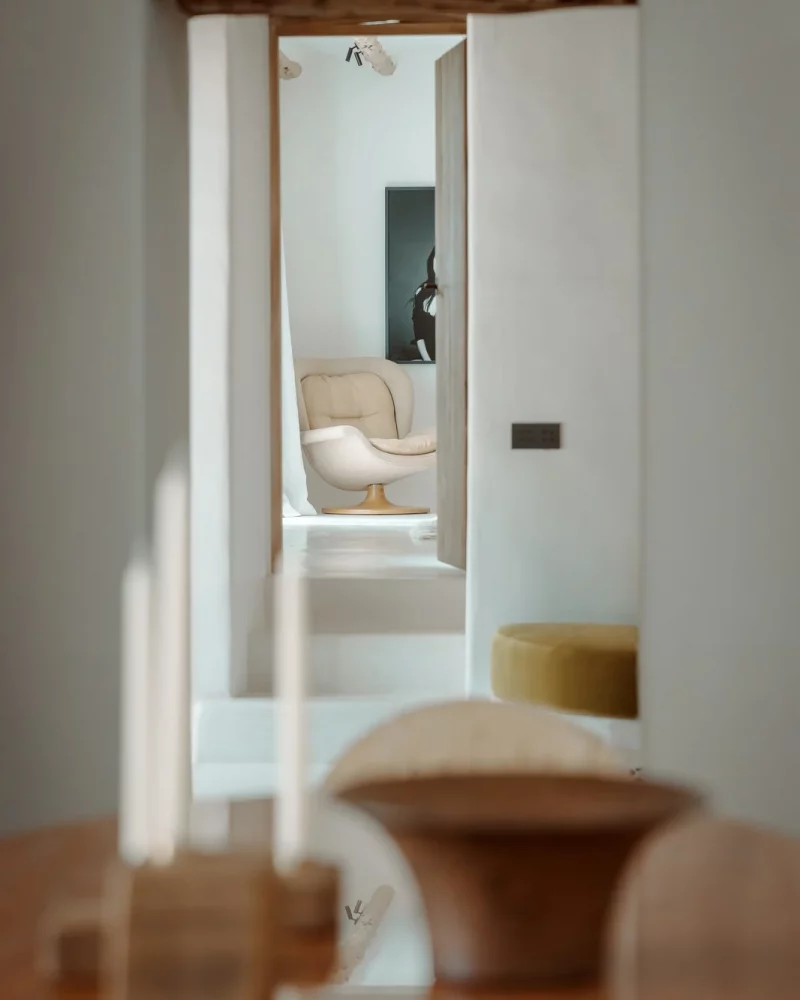
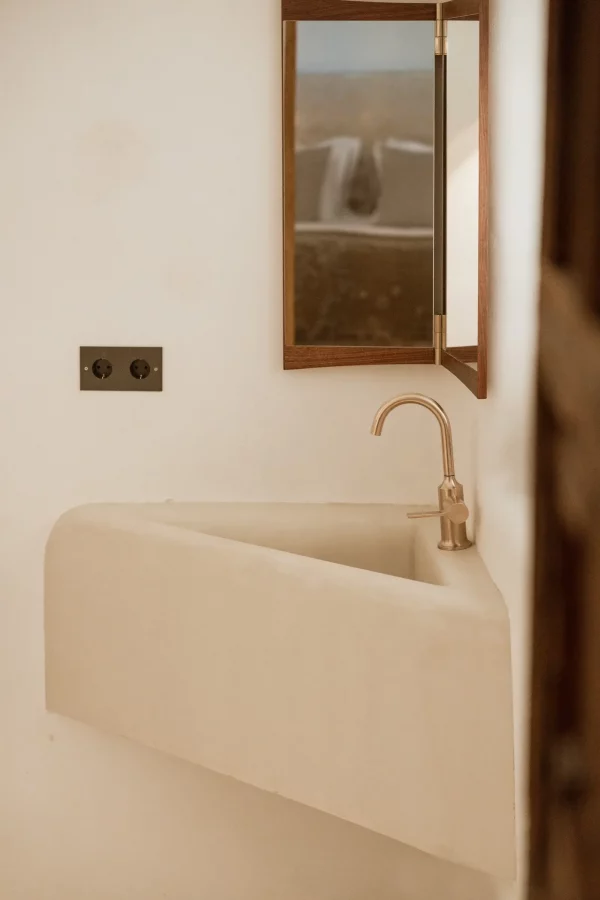
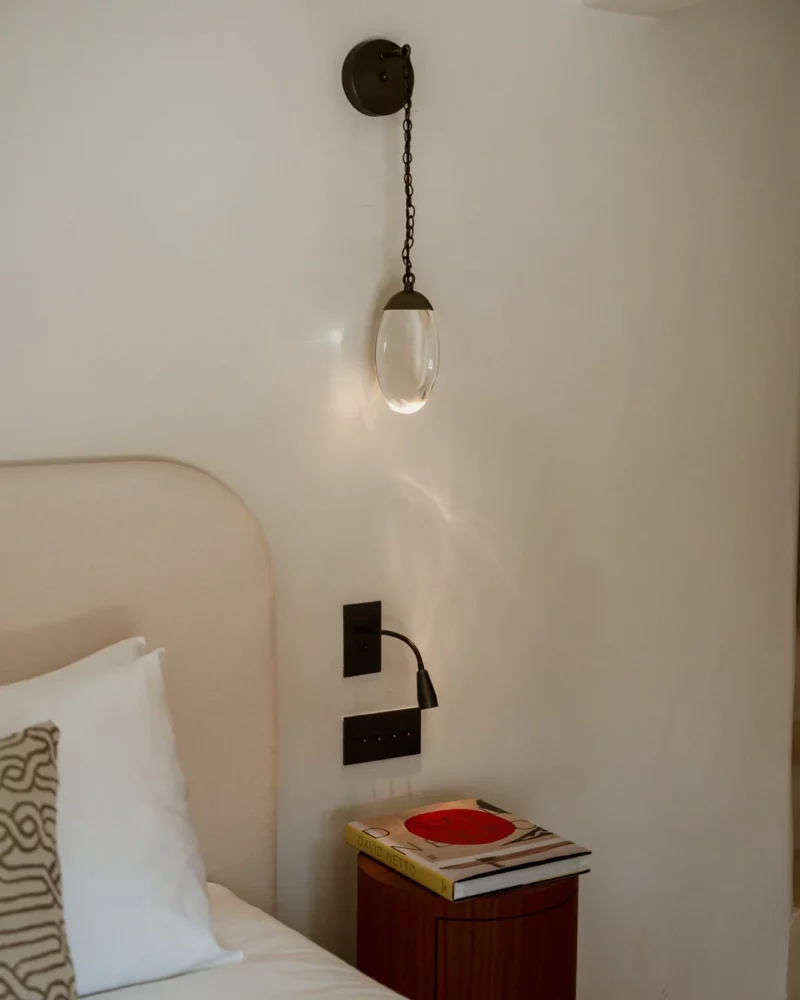
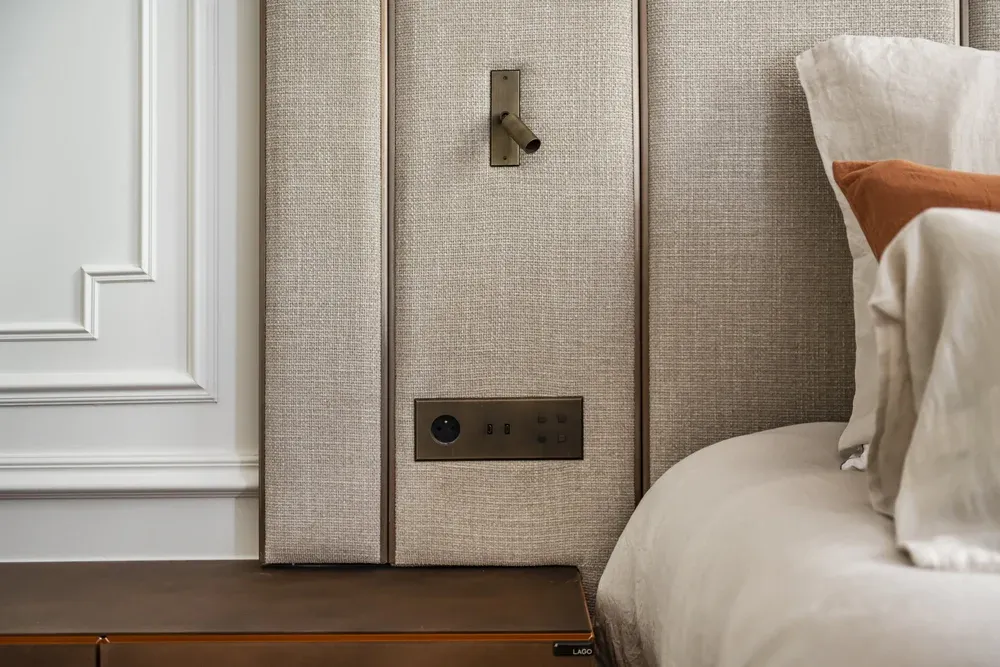

In an interior design project, every decision influences the final perception of a space. Lighting, materials, proportions and furniture all form part of the same visual language. And so do electrical fittings and controls.
Switches, sockets, dimmers and climate controls are not merely functional elements. Their design, finish and placement can either reinforce the coherence of a project or become a visual distraction.
That is why considering electrical fittings from the early stages of a project helps create spaces that feel more balanced, functional and carefully resolved down to the smallest detail.
Although they occupy only a small surface area, electrical fittings are present in almost every room and are used on a daily basis. For this reason, they should be selected with the same care as a light fixture, a handle or a tap.
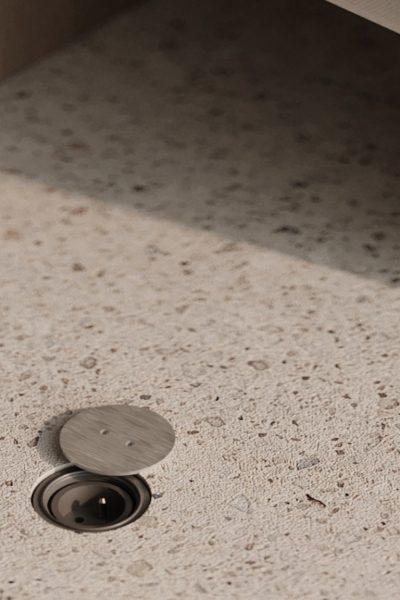
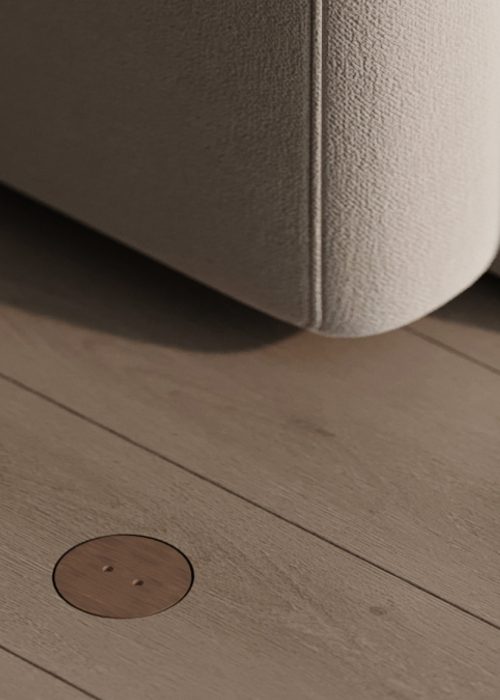
Today, there are solutions that allow their design to be adapted to the language of each project: from flush-mounted, almost imperceptible fittings to pieces with special finishes that are designed to stand out.
The key is deciding what role they should play within the space.
In minimalist interiors, the aim may be to achieve discreet integration through clean lines, flush-mounted fittings or finishes that match the color of the wall. This helps reduce visual noise and maintain continuity across surfaces.
In other projects, electrical fittings can become a distinctive design detail. Finishes such as brass, steel, bronze or darker tones can introduce contrast and reinforce the character of the interior.
It is not necessarily about hiding electrical fittings, but about incorporating them consciously into the overall design concept.
The design of an electrical fitting is important, but so is its position. Height, distance from doors or furniture, and alignment between different elements all have a direct impact on the final result.
Before defining electrical points, it is essential to consider how each room will be used, where the furniture will be placed, and from which location lighting, blinds or climate control will be operated.
Careful planning helps organize functions, avoid unnecessary clusters of controls, and coordinate the installation with wall finishes, joinery and bespoke furniture.
Beyond aesthetics, durability, maintenance and tactile quality should also be considered. There are elements used every day, so they need to retain their appearance and provide a pleasant user experience over time.
Today’s systems make it possible to control lighting, blinds, temperature and other functions within a space from a single interface.
This technological integration does not have to compromise the aesthetics of the interior. There are solutions that bring multiple functions together in clean, intuitive interfaces that remain consistent with the architectural language of the space.
The goal is not to incorporate more technology, but to select the technology that simplifies everyday use and responds to the real needs of the project.
THE LUZÓPTIMA EDIT
Design worth a place
in your inbox.
New pieces, projects and lighting details to discover and save.