
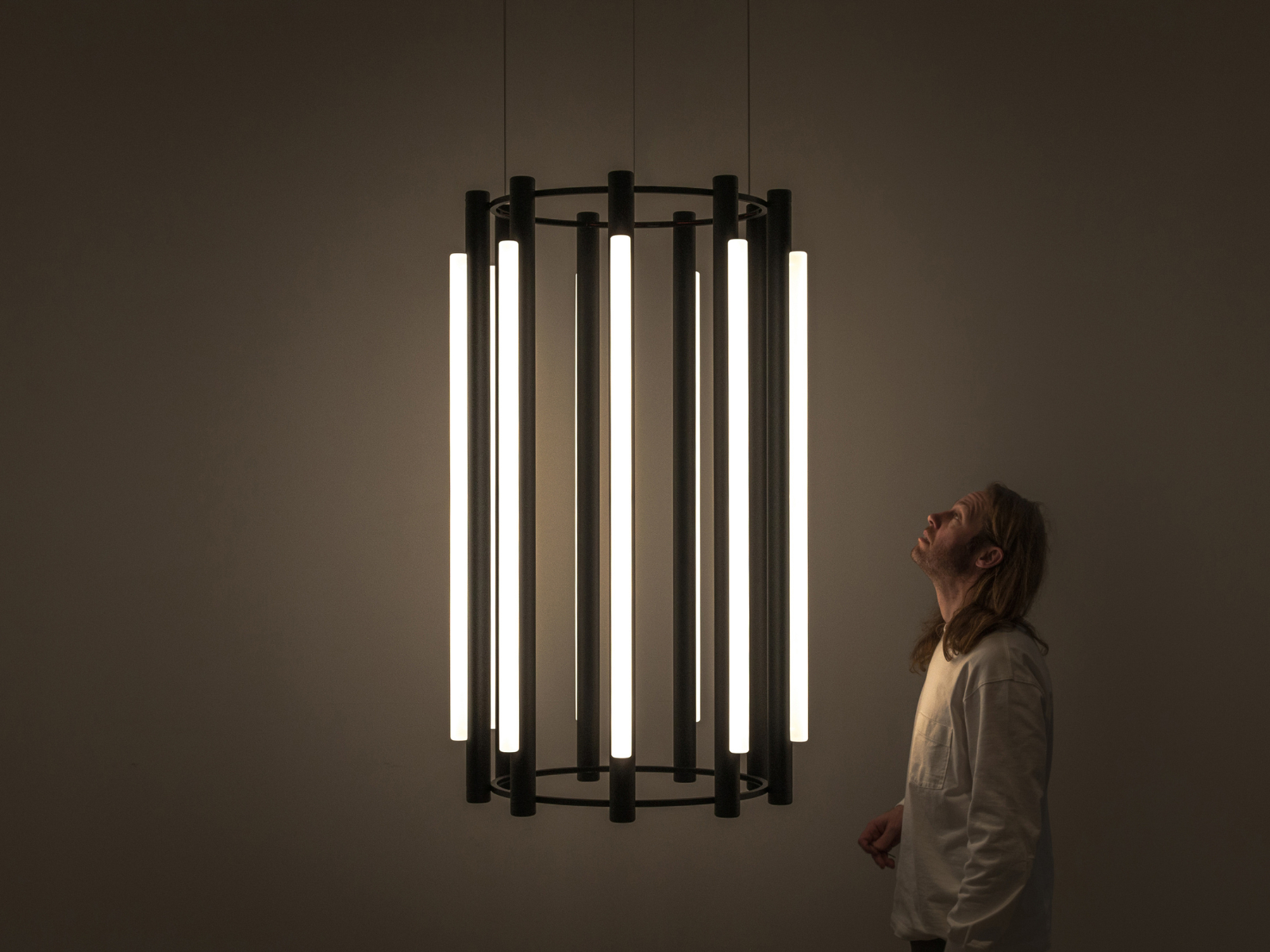
Lighting is one of the elements that most influence how a space is perceived. It’s not just about where luminaries are placed or which design is chosen, but also how light changes throughout the day.
In architecture and interior design projects, adaptable lighting makes it possible to meet different needs without changing the elements within a space.
Dim-to-warm technology offers precisely this flexibility: adjusting light intensity while simultaneously changing its colour temperature to create warmer atmospheres.
What is dim-to-warm technology?
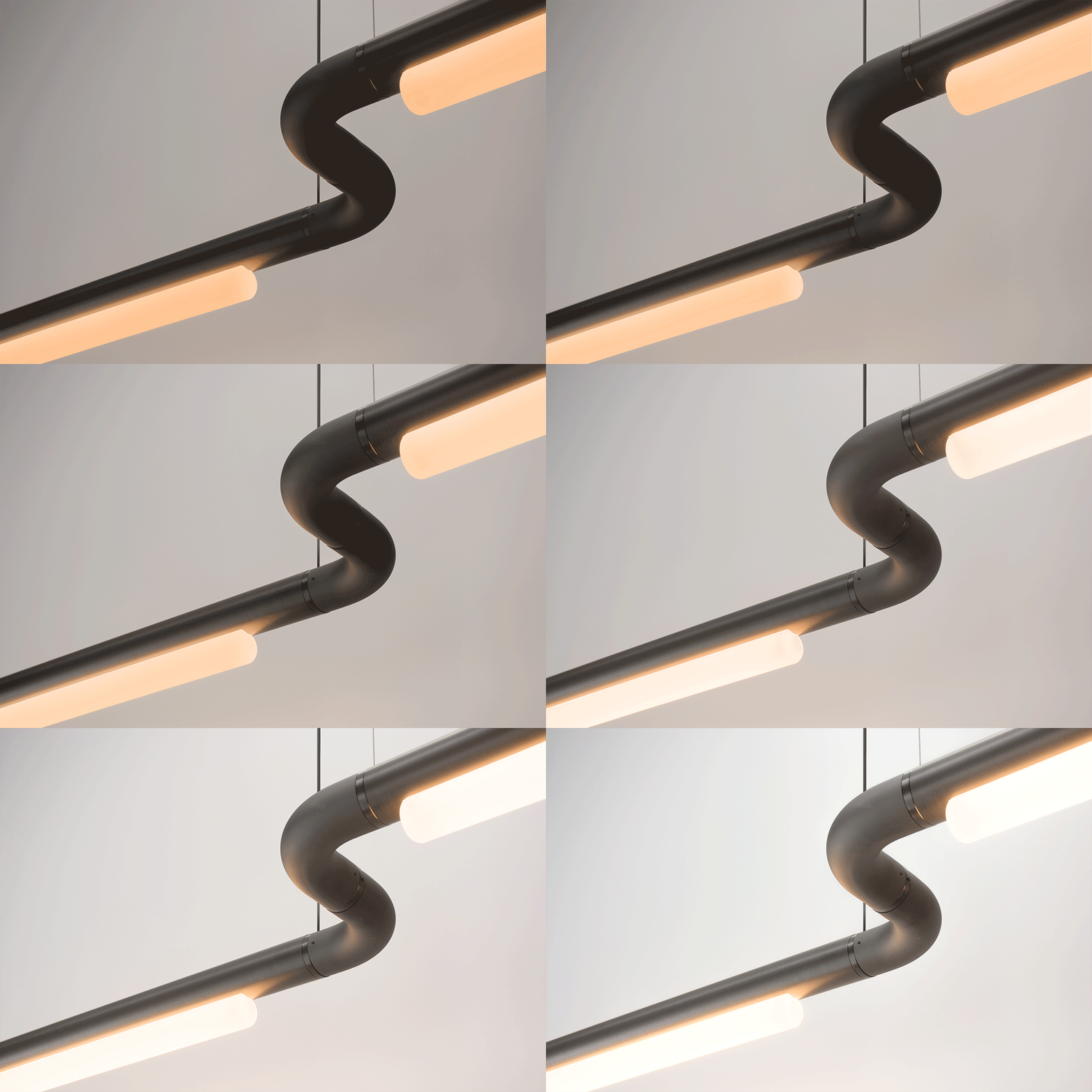
Dim-to-warm is a LED lighting technology that progressively reduces the colour temperature as the light intensity decreases.
Unlike a conventional dimmable LED luminaire, which maintains the same colour temperature regardless of its brightness, a dim-to-warm luminaire adjusts both characteristics simultaneously.
For example, a luminaire may provide light at 3000 K at full brightness and reach 1800 K when dimmed to its lowest level, creating a warm glow similar to candlelight.
This technology recreates the behaviour of traditional incandescent lamps, whose light became warmer as they were dimmed, while taking advantage of the benefits of LED technology.
What are the benefits of dim-to-warm technology in lighting design?
The main advantage of dim-to-warm technology is its ability to adapt lighting to different uses and times of day through a simple dimming system.
- One space, different atmospheres: a living area may require brighter lighting for everyday activities and softer light towards the end of the day. With dim-to-warm technology, both scenarios can be achieved by dimming the same compatible luminaire, without the need to manually adjust its colour temperature.
- Greater flexibility in residential and commercial projects: in homes, hotels, restaurants and shared spaces, lighting needs to respond to requirements that may change throughout the day. Dim-to-warm technology makes it possible to transition from more functional lighting to a warmer, more ambient atmosphere while maintaining the visual coherence of the space.
- Intuitive dimming: in a dim-to-warm luminaire, light intensity and colour temperature are linked. As brightness decreases, the light automatically takes on a warmer tone. This makes it easier to create different atmospheres without having to control both parameters independently. However, it is important to ensure that the luminaire, dimmer and control system are compatible to guarantee the intended performance.
Dim-to-warm vs. tunable white: What’s the difference?
Although both technologies allow the colour temperature of a luminaire to be adjusted, they operate differently.
In dim-to-warm systems, the colour temperature changes automatically as the light is dimmed. The lower the light intensity, the warmer the light becomes.
By contrast, tunable white systems allow the colour temperature and light intensity to be adjusted independently, within the limits of each luminaire.
The choice depends on the needs of the project. Dim-to-warm is an appealing solution when a gradual transition towards warmer lighting is desired, while tunable white offers greater flexibility when both parameters need to be controlled separately.
A-N-D: Contemporary design and dim-to-warm technology
Canadian lighting brand A-N-D integrates this technology into several of its lighting collections, combining contemporary design with flexible dimming options.
In 2026, the brand has updated some of its collections to improve their integration and technical performance.
Pebble: A new dim-to-warm option
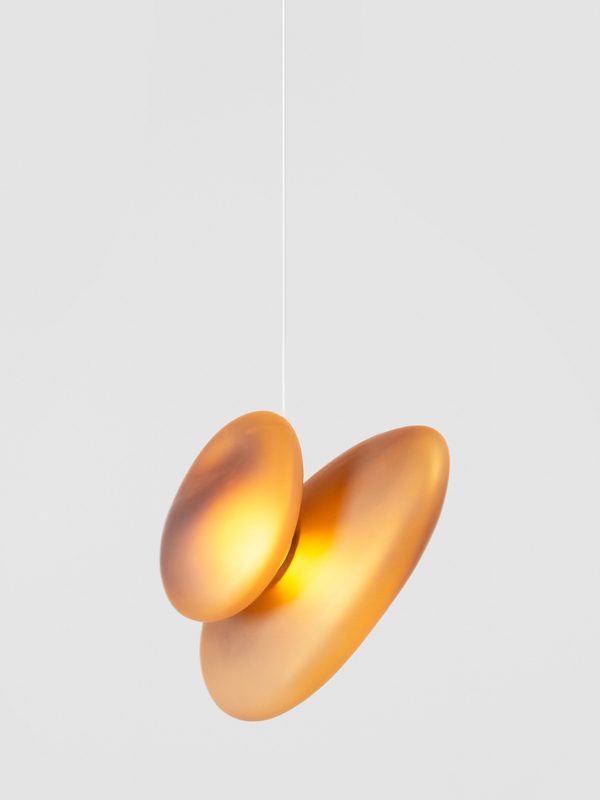
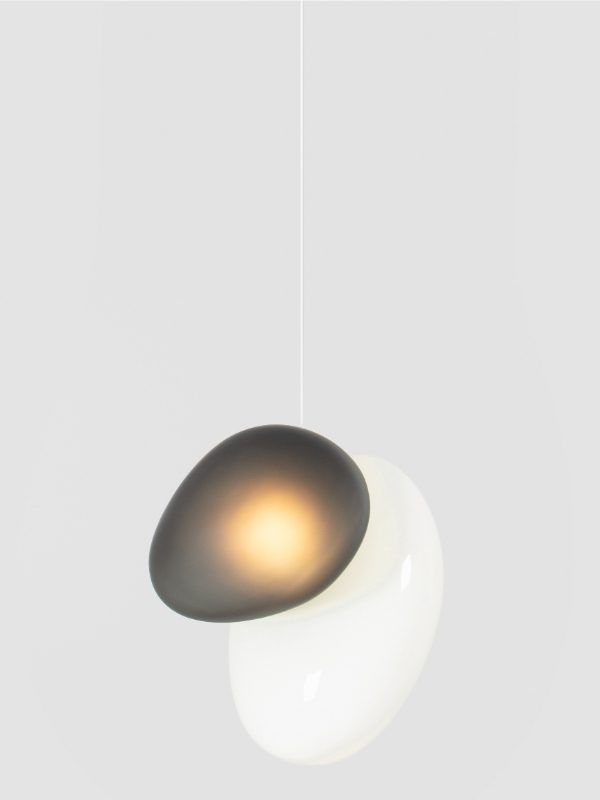
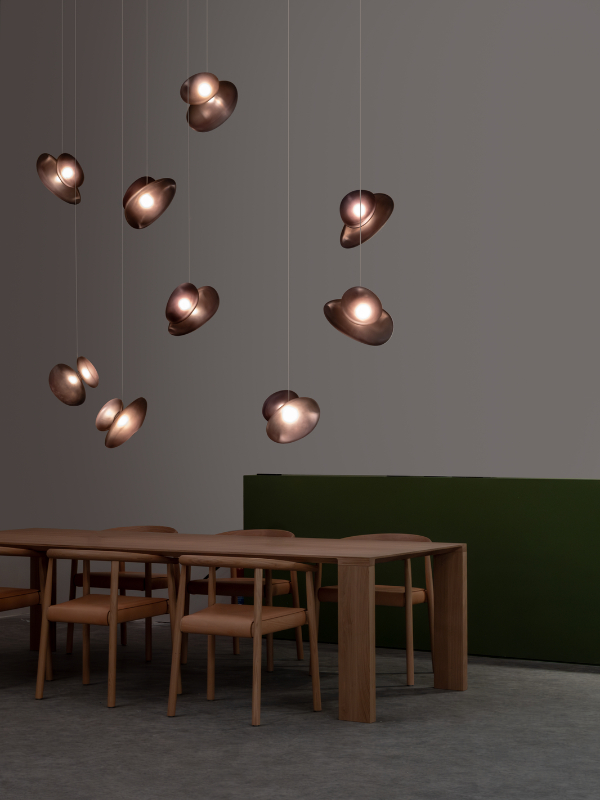
The Pebble collection, known for its organic shapes and sculptural design, now offers a dim-to-warm option.
This update expands the collection’s possibilities, allowing both light intensity and colour temperature to be adjusted while preserving the distinctive visual presence of its luminaires.
Pipeline: Technical evolution and versatility
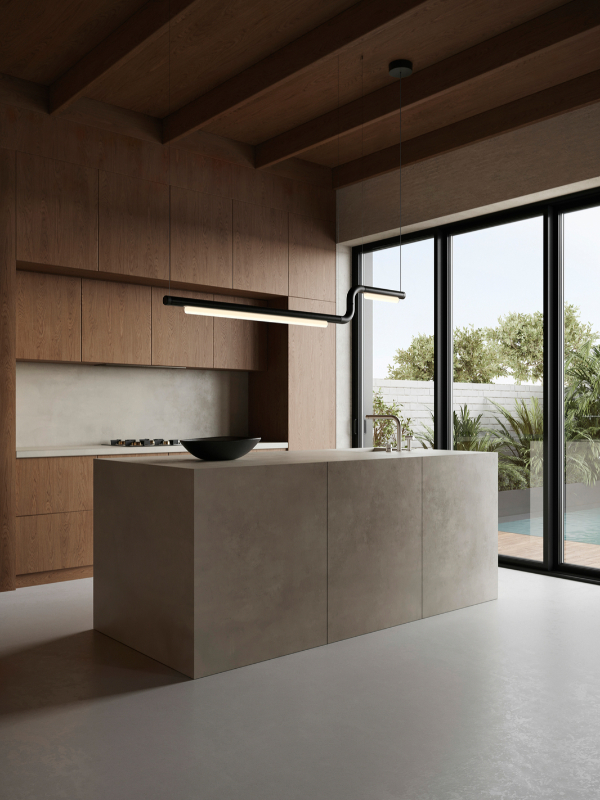
Pipeline has also undergone an update. The collection now delivers twice the luminous flux and remains available in both fixed colour temperature and dim-to-warm versions.
Its linear design allows it to be integrated into a variety of architectural configurations, combining a refined aesthetic with versatile lighting options.
These updates demonstrate how a collection can evolve technically while maintaining its design identity.
The importance of choosing the right lighting solution
Technology is just one part of lighting design. To achieve the desired result, it is also essential to consider how the space is used, light distribution, materials, colour temperature and dimming systems.
Not every project requires the same type of lighting control. That is why defining these requirements from the earliest stages makes it possible to select luminaires and technical solutions that complement the overall architectural design.
At LuzÓptima, we work closely with architects and interior designers to select lighting solutions that combine design, functionality and technical precision.
As representatives of A-N-D in Spain, we bring the brand’s collections and latest innovations to professionals looking to integrate lighting into their projects from both an aesthetic and functional perspective.
Would you like to explore A-N-D lighting solutions for your next project?