
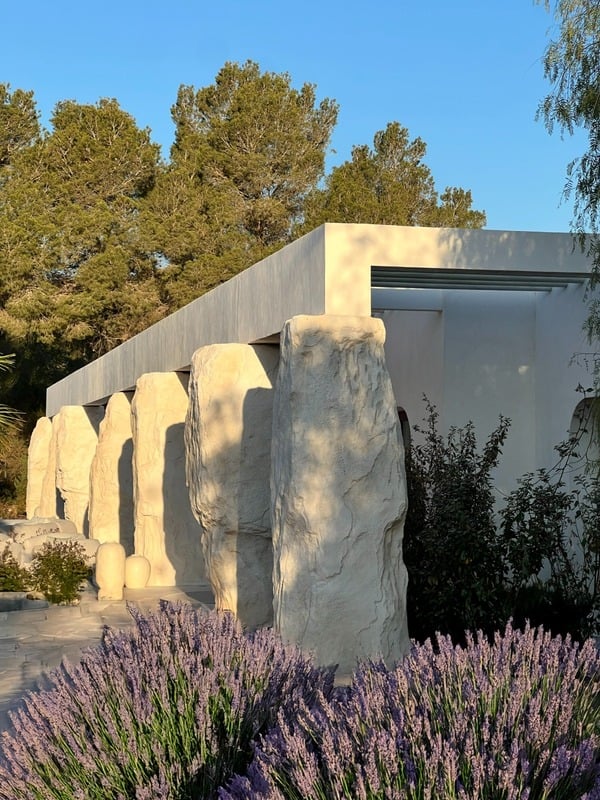
There are spaces that seem right… until they are properly lit.
And others that, with poor lighting, lose their architectural intent entirely.
The difference between a before and after in a residential project is not only defined by furniture or materials.
It is also defined by light.
At LuzÓptima, we see this constantly: a space can be completely transformed when lighting is thoughtfully designed, fully integrated and guided by both technical and aesthetic criteria.
The “before”: functional lighting without intention
In many residential projects, we encounter situations like these:
- Light points placed without a clear strategy.
- Mixed colour temperatures with no coherence.
- Flat general lighting with no depth.
- Harsh shadows or poorly resolved dark areas.
- Spotlights that glare instead of supporting the space.
The result: spaces that feel cold, flat or uncomfortable.
It’s not a lack of light.
It’s a lack of lighting design.
The “after”: when light shapes the space
When an architectural lighting project is properly conceived, the transformation is clear:
1. Architecture takes the lead
Volumes are defined, textures are enhanced and materials gain depth.
2. Atmosphere emerges
The home moves beyond a collection of rooms to become an experience.
3. Visual noise disappears
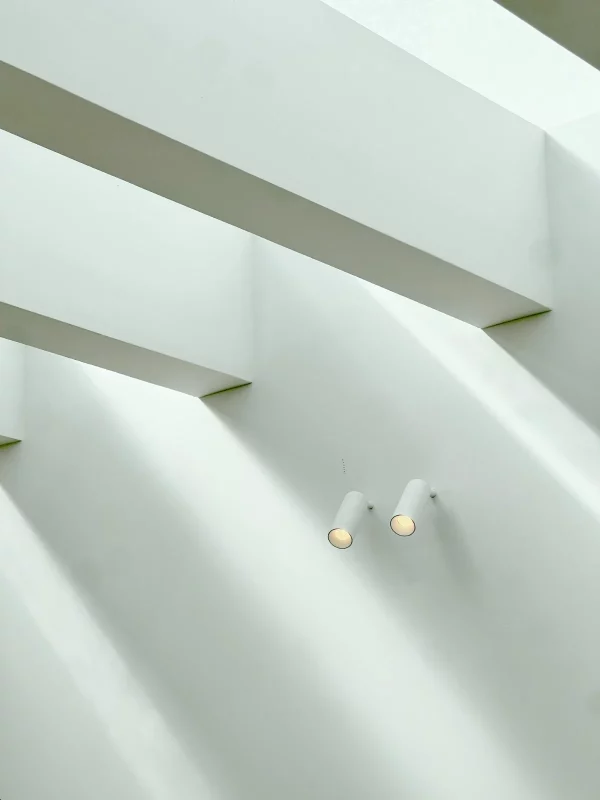
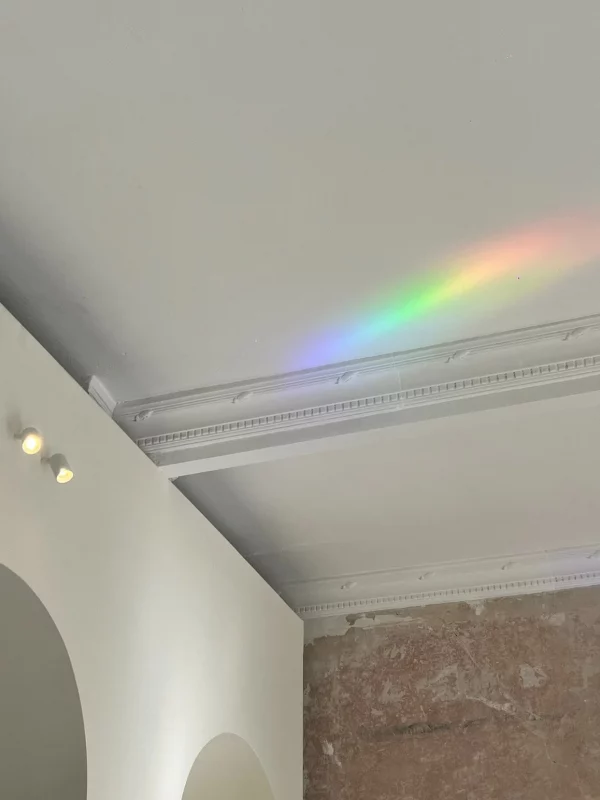
Well-integrated luminaires and mechanisms — such as those by Prado or ROND — recede into ceilings and walls, allowing the architecture to breathe.
4. Visual comfort improves
No glare, no harsh contrasts, no uncomfortable shadows.
5. The space becomes flexible
Through scenes and control systems, a single space can adapt to different moments of the day.
In a living room defined by large blocks of natural stone and high ceilings, the “before” condition showed:
- Uniform central lighting.
- Lack of accent lighting.
- Loss of texture on the walls.
After the lighting redesign:
- Adjustable spotlights were introduced to emphasise the stone.
- A consistent warm colour temperature was established throughout the space.
- Dimmable scenes were added for different uses.
- Recessed luminaires without visible trims were integrated.
The space did not change architecturally.
But its perception did.
That is the power of well-designed lighting.
A well-conceived residential lighting scheme enhances the sense of space, improves the perception of materials, creates visual balance, adds value to the home and elevates the overall user experience.
Light is not a decorative addition.
It is a structural element of design.
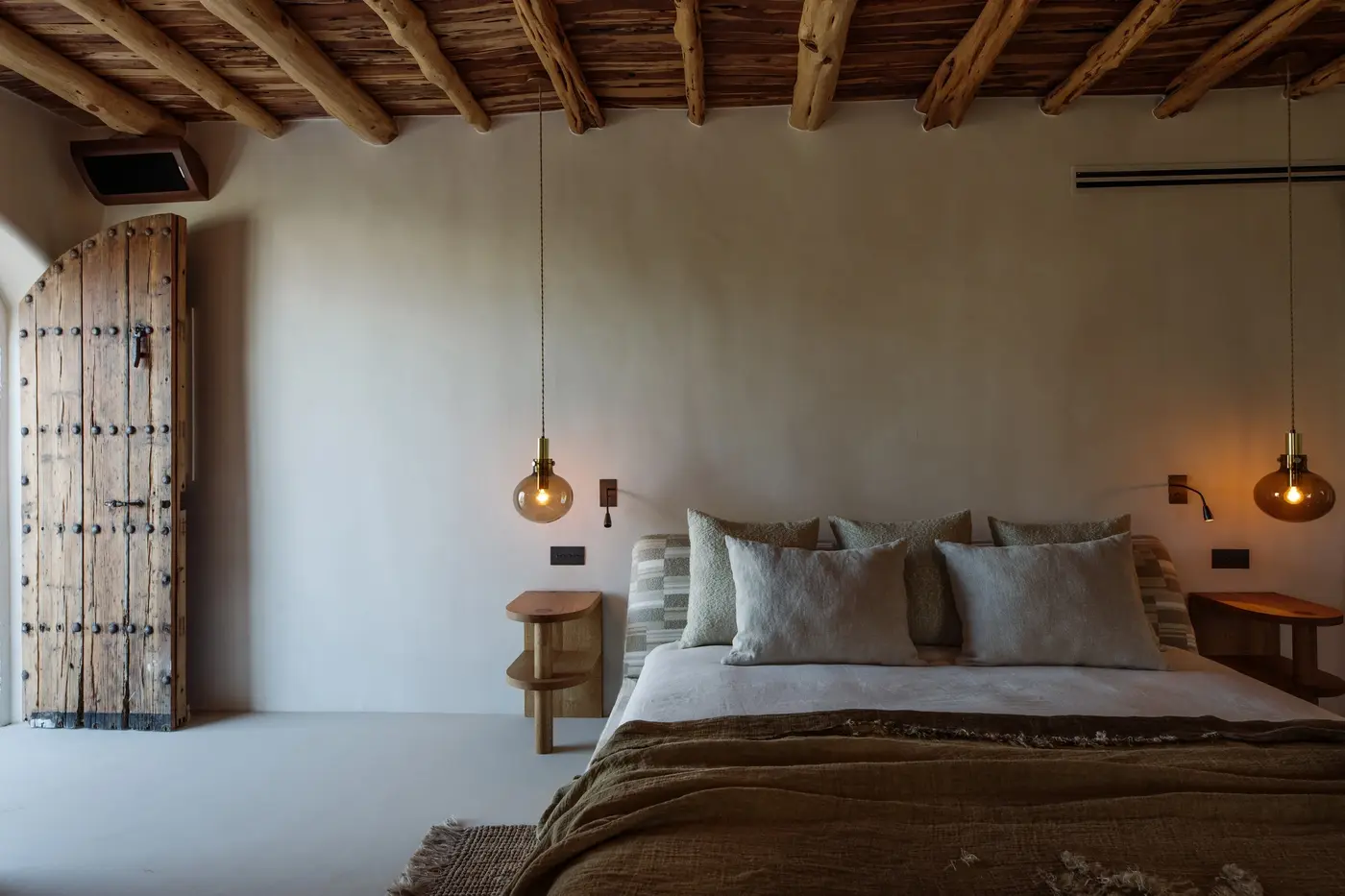
One of the most common mistakes in residential projects is leaving lighting until the end.
When lighting is considered too late:
- It becomes improvised.
- Integration is lost.
- Personalisation is limited.
- The aesthetic outcome is compromised.
For this reason, at LuzÓptima we work from the earliest stages of the project, alongside architects and interior designers, defining:
- Strategic placement of light points.
- Types of luminaires.
- Colour temperature and CRI.
- Beam angles.
- Scenes and control systems.
- Integration of designer electrical mechanisms.
The difference between a correct space and an extraordinary one lies in these details.