
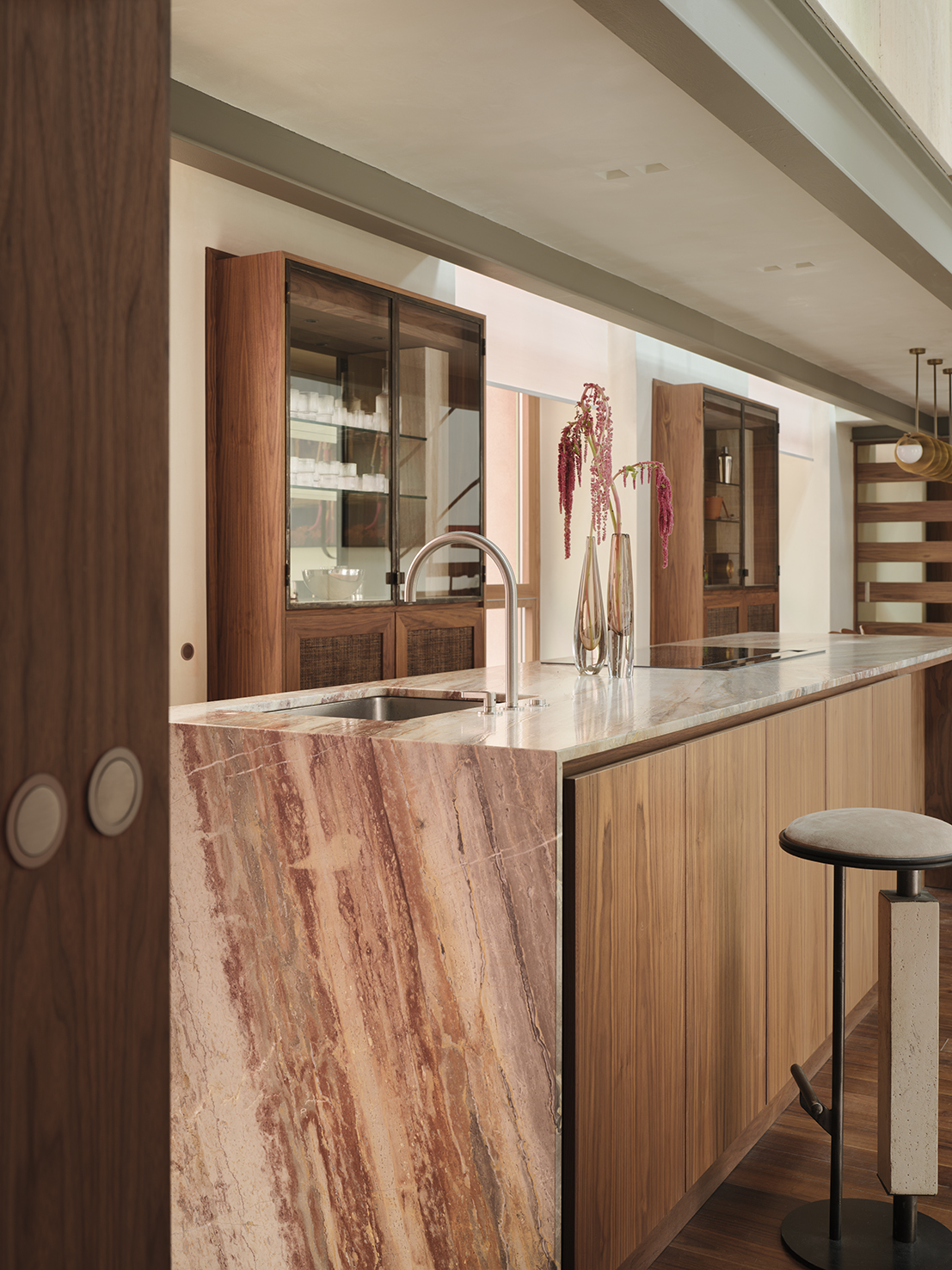
In some projects, light does more than illuminate. It also helps define and understand the space.
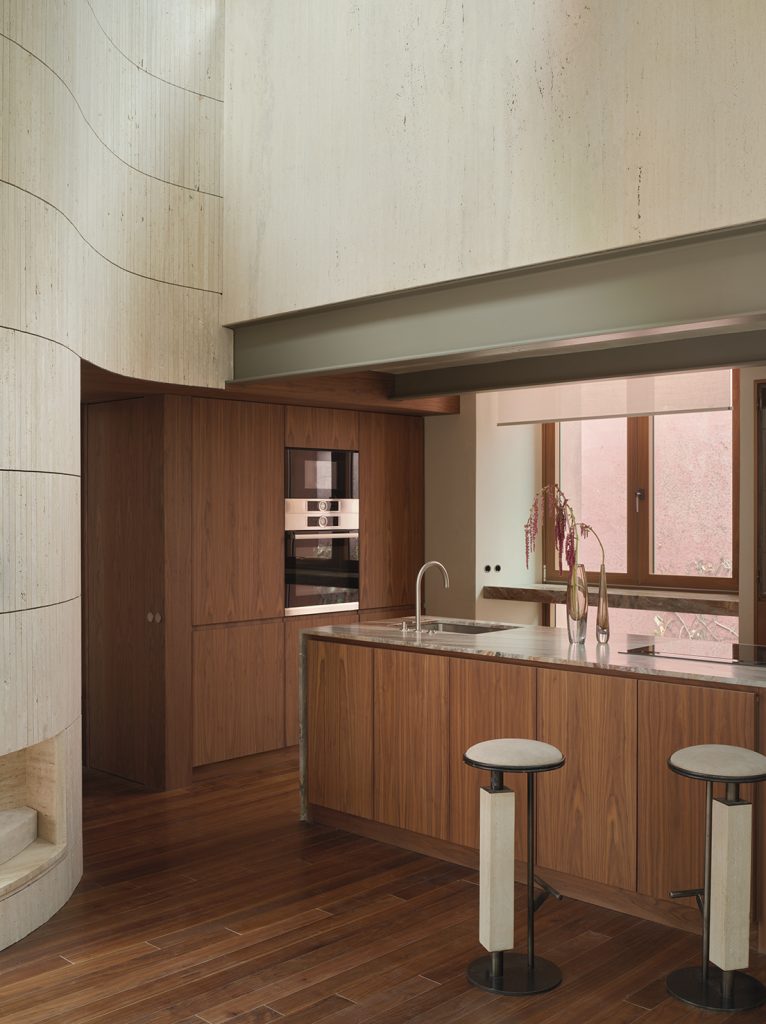
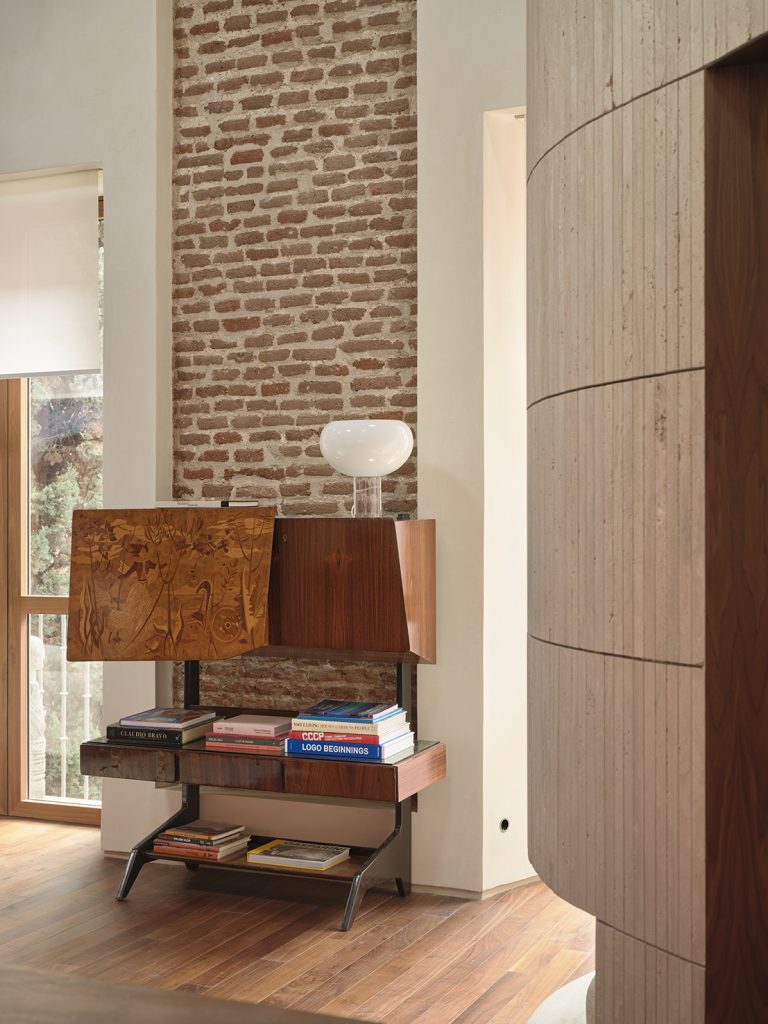
Pelayo is a residence in Madrid designed by DelaVilla Studio, where height, openness, and architectural presence play a leading role. The project is based on a home with remarkable vertical scale and a layout conceived to free up space, allowing the architecture to breathe once again.
At LuzÓptima, we contributed to the project by integrating Prado luminaires and mechanisms, carefully selected to blend seamlessly into the residence and support its architectural expression without disrupting it.
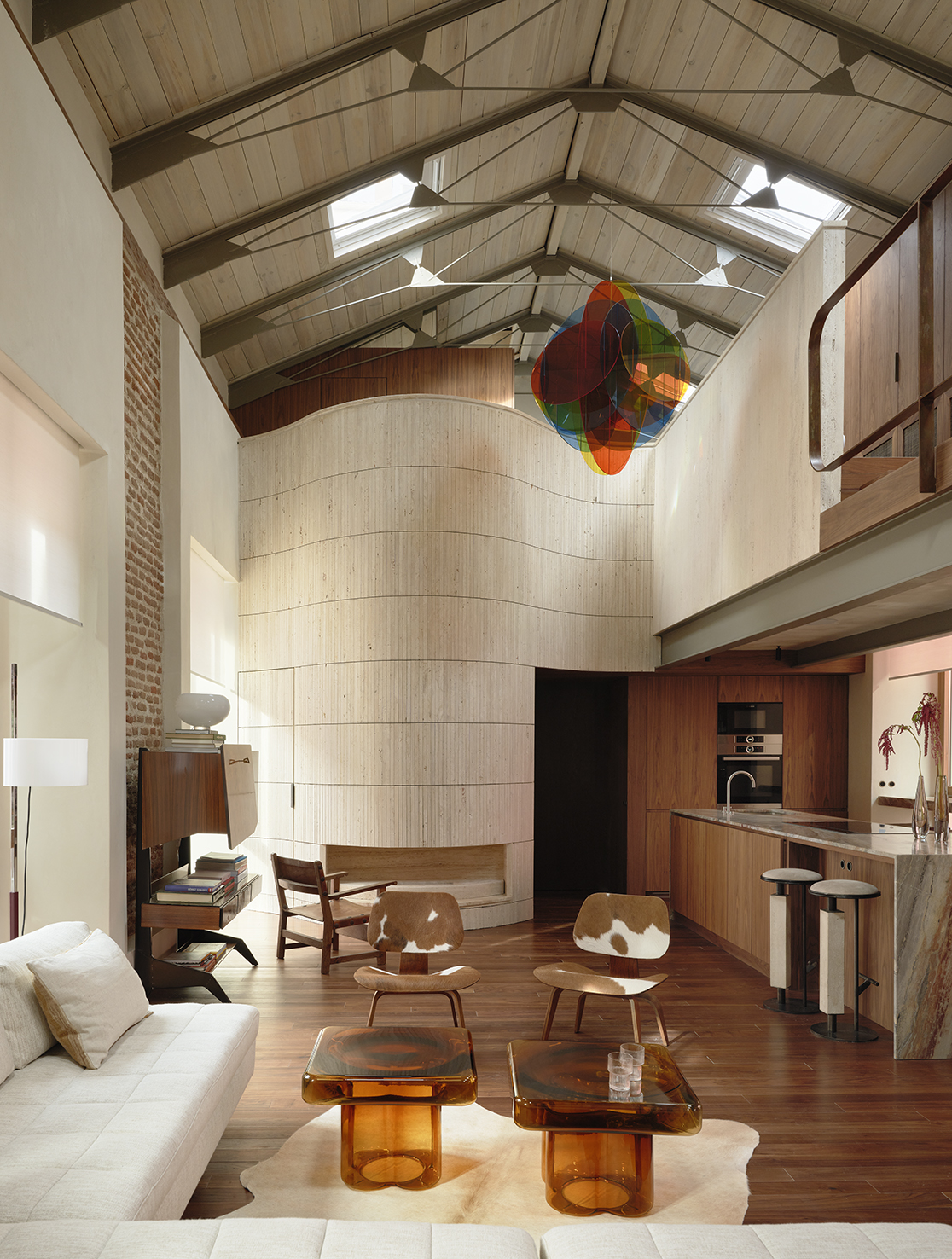
Light as a tool for organizing space
In a home with such a strong architectural presence, lighting cannot be conceived as a decorative element added at the end of the design process.
Instead, it should be understood as a tool that helps organize the space, direct the eye, and reinforce what the architecture already proposes.
At Pelayo, light follows the verticality of the residence, enhances the sense of spaciousness, and helps create transitions between more open areas and more intimate, enclosed spaces.
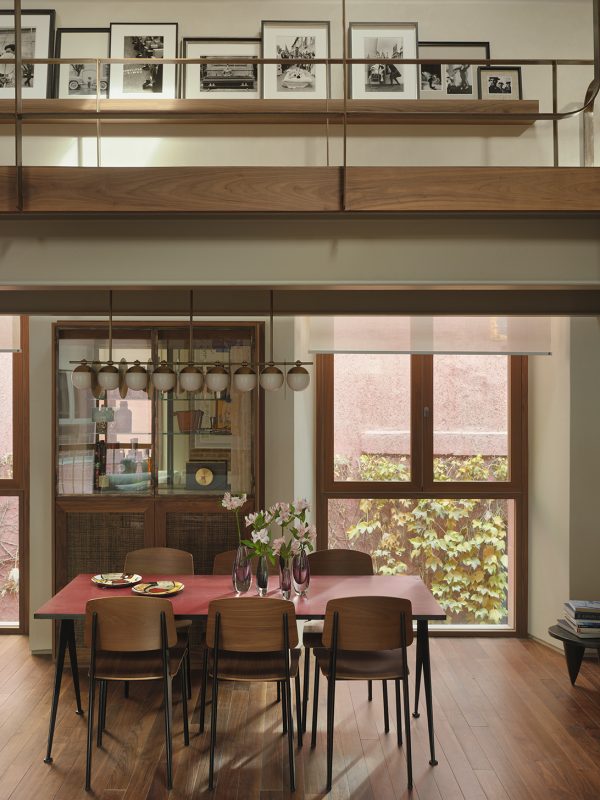
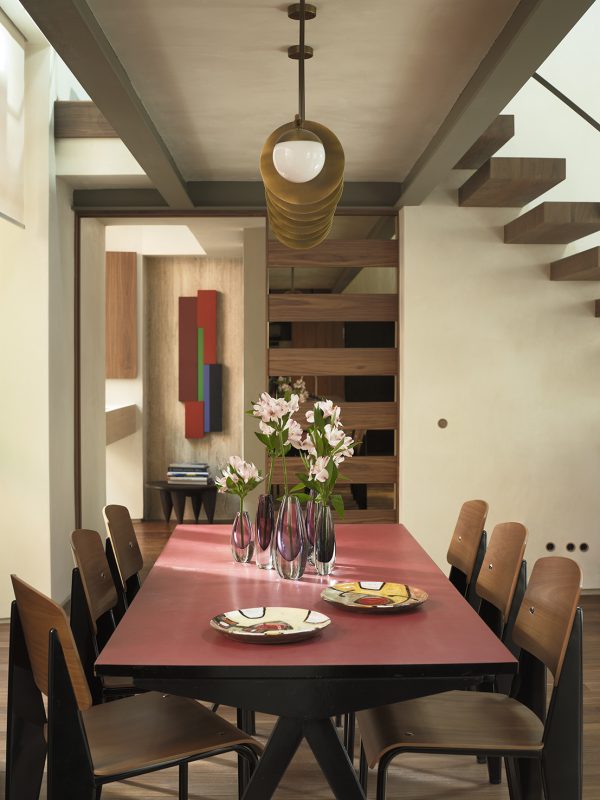
One of the key focal points of the project is the dining area, located beneath the walkway that connects the upper-level spaces. At this point, the scale shifts: the home moves from a more vertical and monumental reading to a more intimate and domestic atmosphere.
The lighting plays a crucial role in balancing this transition, helping to create a sense of continuity while reinforcing the distinct character of each space.
Lighting in service of architecture
When a space already possesses such a strong architectural identity, light should be present without imposing itself.
For this reason, the choice of luminaires was a key aspect of the project. Prado’s solutions make it possible to create precise and discreet lighting, capable of supporting the architecture without generating visual noise.
Rather than competing with the materials, volumes, or the home’s impressive spatial height, the lighting becomes seamlessly integrated into the overall composition, helping each area achieve its intended atmosphere.
Light defines circulation paths, highlights specific architectural elements, and enhances visual comfort, always through a restrained and understated presence.
The value of electrical fixtures in architectural detailing
In high-end residential projects, electrical fixtures are far from a minor detail.
Switches, push buttons, and finishes contribute to both the visual and tactile experience of a space. When poorly selected, they can disrupt the continuity of the design. When thoughtfully integrated, they become a natural extension of the architecture itself.
At Pelayo, Prado fixtures are incorporated with a clean, precise aesthetic that aligns seamlessly with the home’s material language.
Light, volume and materiality
At Pelayo, the lighting design operates in dialogue with three key elements: volume, natural light, and materiality.
- The generous ceiling heights create a sense of openness and presence.
- Natural light shapes the perception of the space throughout the day.
- Materials introduce texture, warmth, and depth.
Artificial lighting should respect and support this balance.
Rather than adding another layer of visual prominence, its role was to enhance what was already there: reinforcing the architecture, softening transitions, and creating a comfortable, lived-in atmosphere without diminishing the project’s strong spatial character.
At LuzÓptima, we understand lighting and electrical fixtures as integral components of architectural design—solutions that should be conceived with precision, sensitivity, and coherence from the earliest stages of a project.
Pelayo demonstrates how light can complement a large-scale architectural space while allowing the architecture itself to remain at the forefront.
· Name: Pelayo
· Studio: DelaVilla Studio
· Location: Madrid
· Year: 2026
· Brand and model: Prado mechanisms and luminaires